About…
Moving Parts was founded on the idea that dance can serve as a lifeline, a healing and relational practice, and a vibrant creative channel. At the intersection of fitness, spirit tending, and artistic expression, there is so much potential. We hold onto the belief that stepping into the discomfort of authenticity isn’t always graceful, and that the studio environment is inherently vulnerable. We are here to empower movement artists, celebrate individual gifts, and help push you out of your comfort zone. To get started, sign up for a class today!
The curricula and culture at Moving Parts is non-competitive: with an emphasis on consensual feedback, peer encouragement, and intentional reflection. Our curricula are injury preventative, bits of physical therapy dispersed into the instruction; non-gendered and body neutral, meaning you are welcome and your experience is prioritized regardless of your shape, size, or gender identity. And lastly, we continuously strive toward greater accessibility. We offer class agendas in advance, class breaks, self-pacing, and mobility aids. We offer BIPOC scholarships for free-of-cost enrollment. We attend continuing education courses in topics such as Equitable Facilitation to continue learning to better serve POC, folks with disabilities, and others who have systemic barriers to access dance studios and training.
Moving Parts members are encouraged to explore, collaborate, and hone their creative vision by utilizing our facilities. We partner with a number of local arts groups and organizations to expand and diversify our reach.
Located in the creative hub of downtown Olympia, Moving Parts is a proud member of the Downtown Olympia Creative District and recipient of Inspire Olympia funding. Moving Parts Dance is fiscally sponsored by Shunpike, tax deductible donations can be made here.
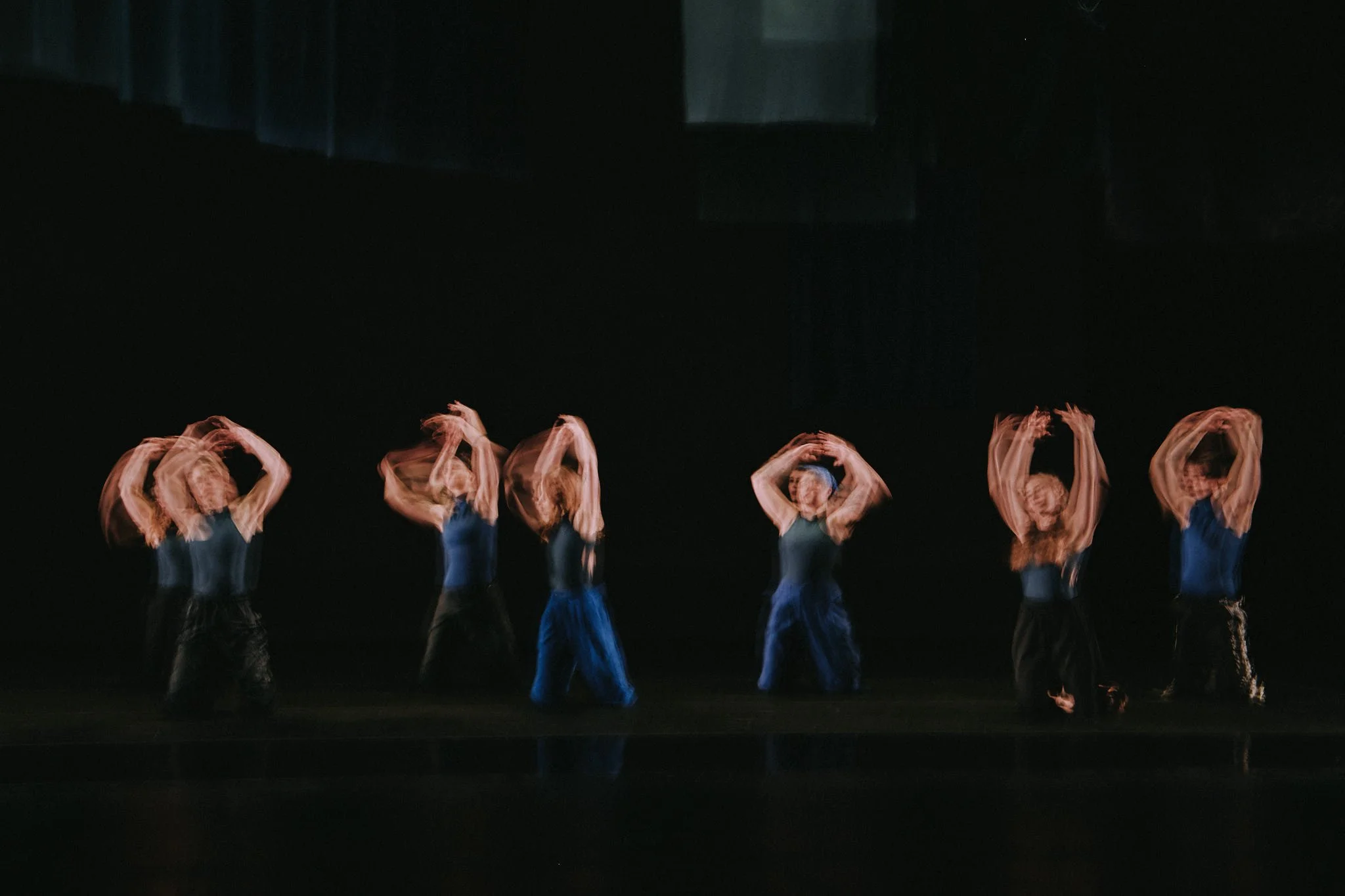
Team
-
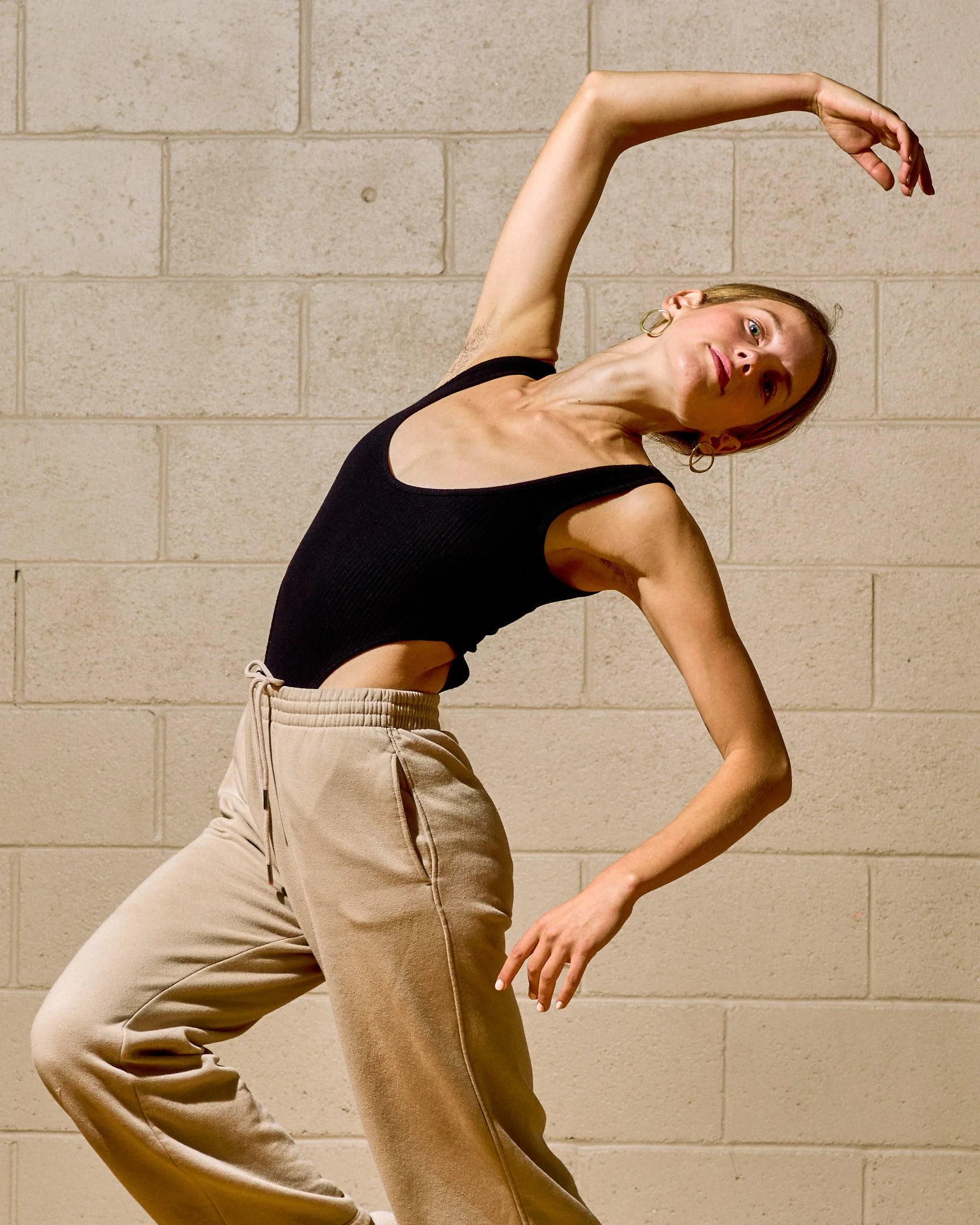
Sydney Blanchard
FOUNDER AND DIRECTOR
-

Betania Cabrera
HR DIRECTOR, OPERATIONS
-
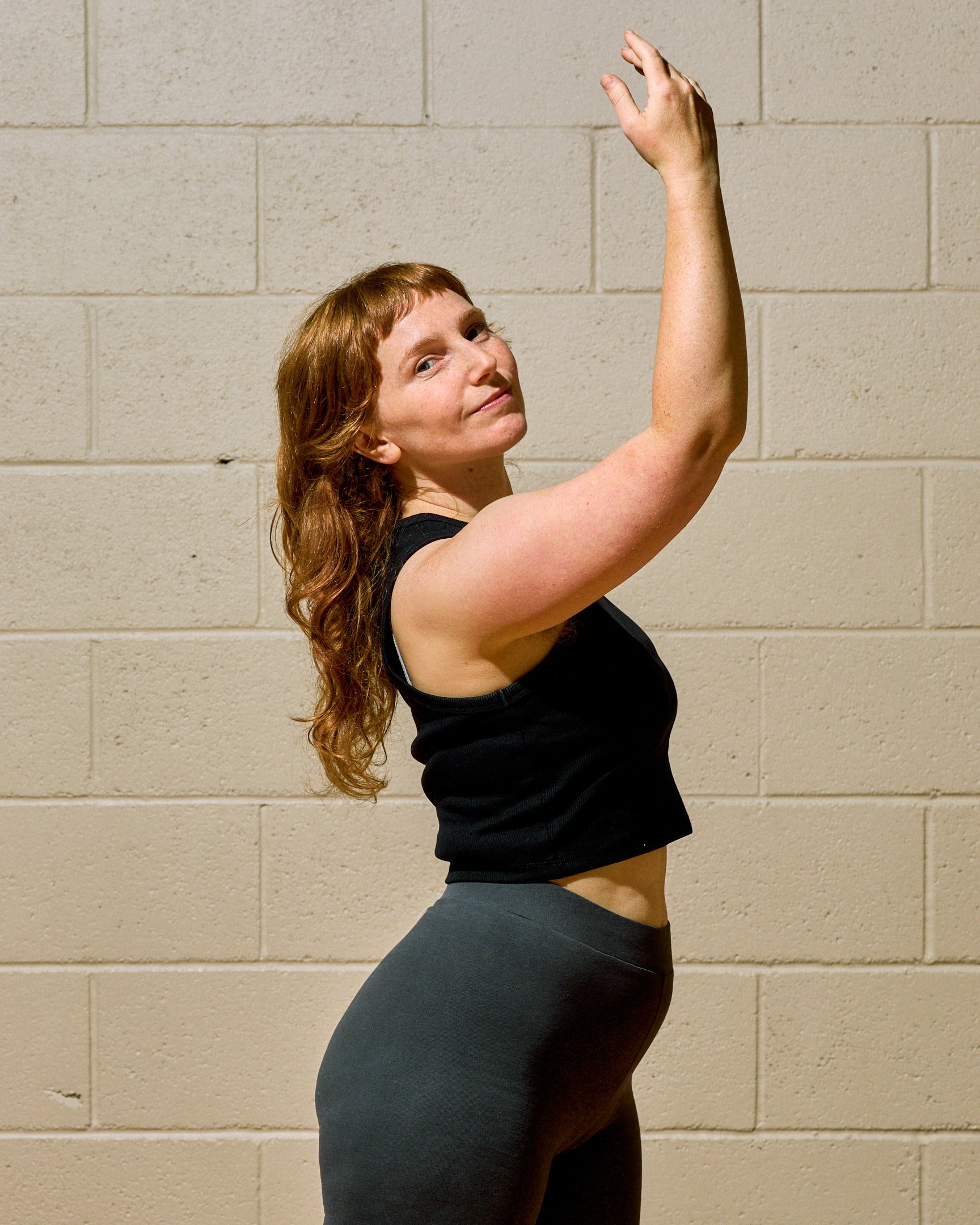
Erica Leshon
COMMUNICATIONS, INSTRUCTOR
-
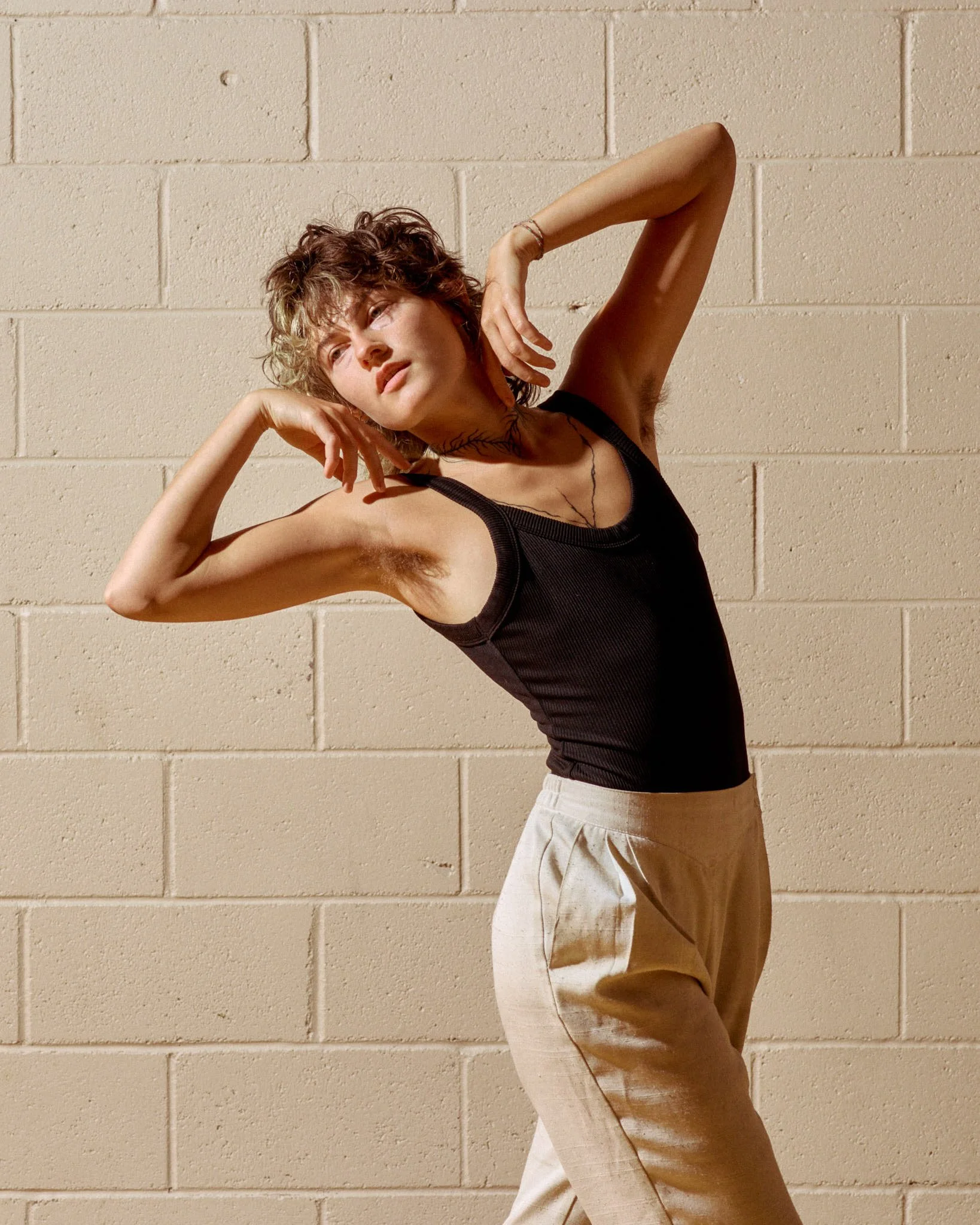
Konya
EVENT MANAGER
-

Hathor
EVENT MANAGER
-
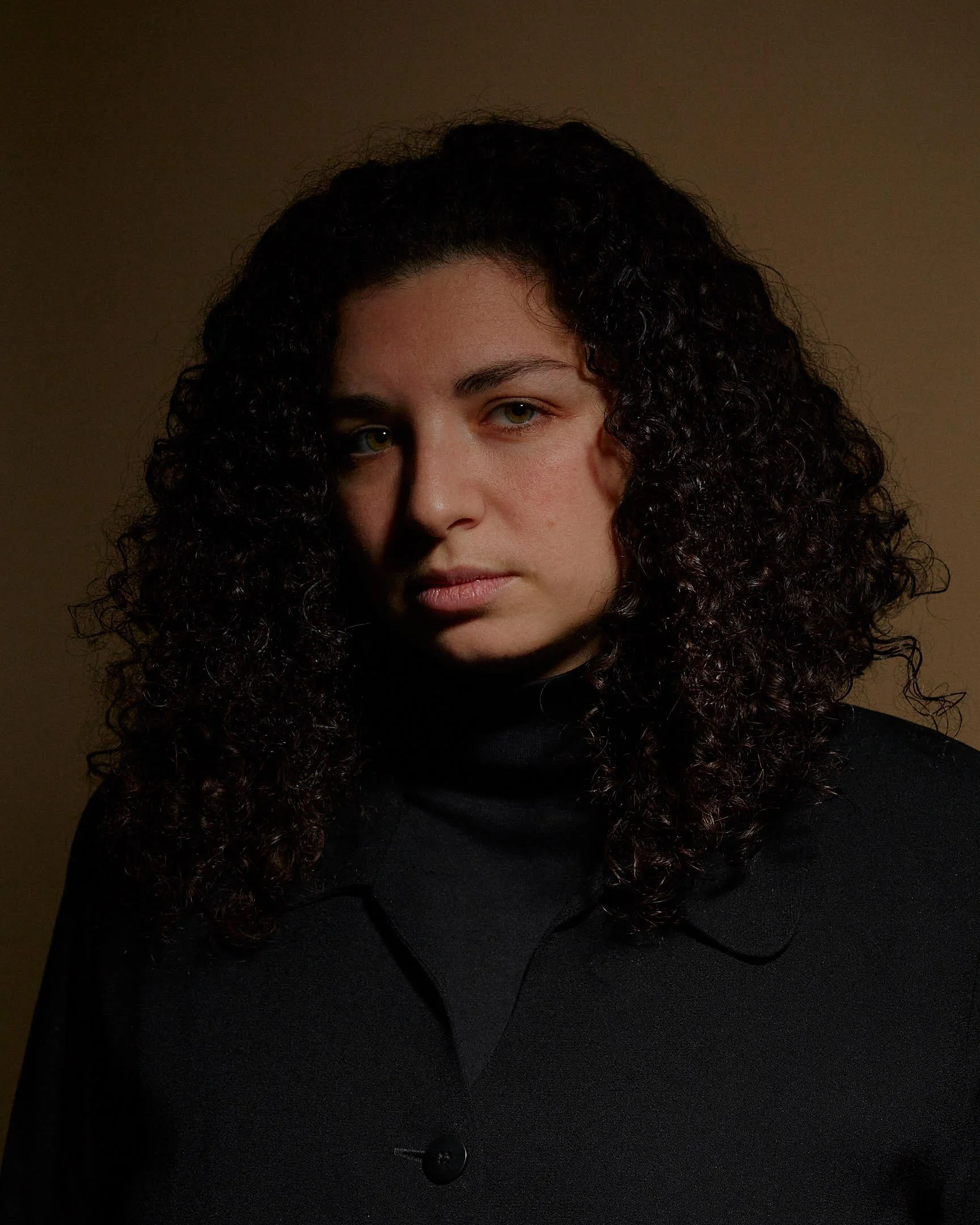
Maria Bressler
ADMINISTRATIVE ASSISTANT
-

Lauren Thompson
INSTRUCTOR, CHOREOGRAPHER
-

Halo Lampart
COSTUME DESIGNER
-

Golden Sather
SET & VISUAL DESIGNER
faQs
What footwear should I wear to class?
1
We do not require dance shoes, however a canvas ballet slipper will work great for any ballet class. For most all of our classes, a thin sock will suffice.
Where can I park?
2
There is a small lot right in front of our entrance for our patrons to utilize while attending Moving Parts programming. If the lot is full, street parking and the public lot across the street can be used. We have a coin jar in the lobby for meters if needed! Please do not use the lot during times you are not actively attending a studio function.
Do you teach kids?
3
Our regular class functions are for dancers ages 18+. We always welcome parents to bring their littles to hang in the lounge or studio during class if needed, so long as you are supervising them. Many of our showcases and events are all ages and kid-friendly; this will be indicated on the Performance page!
Can I bring my pet?
4
Unfortunately, while we do love animals, our limit on pets has been reached. In order to keep up with cleaning and class safety and focus, we aren't able to allow any more dogs in the house. Certified service animals are of course permitted!
5
Can I hang a flyer at the studio?
Yes! We have a bulletin board where a flyer for your local event can live. Just drop it off during open hours. We reserve the right to remove flyers for past events or that do not align with our values.
6
What is movement research?
Movement research is an approach to movement that allows us to explore dance with curiosity. Movement research can be as simple as asking one self to explore and identify the physical sensation with a particular quality of movement at a given moment or moments. It can also include composition based inquiries such as 'How can I express a specific emotion through movement?'. Largely, movement research is a conversation between dance, sensation, and emotion that can take many forms.